
Bodyguard of Lies
Bodyguard of Lies 2025 on GoMovies exposes U.S. deception in Afghanistan through shocking documents and testimonies.
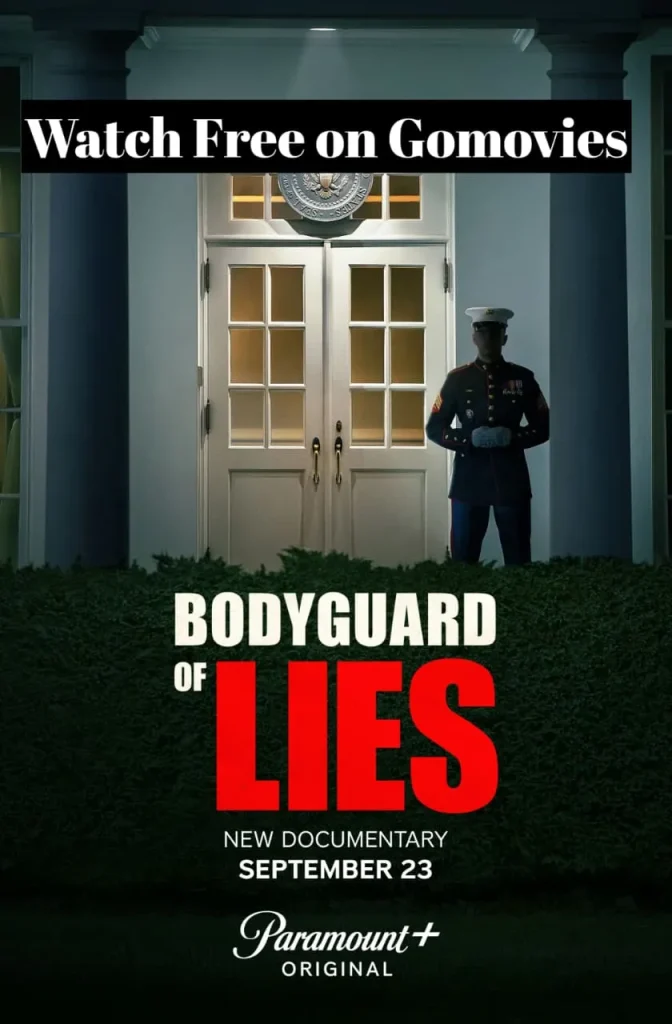
A fascinating documentary is Bodyguard of Lies which was directed by Dan Krauss and reveals decades of misinformation about the war in Afghanistan by the U.S. The movie contains eyewitness accounts by those within the government, secret tapes and documents, which unveil dark secrets that the masses do not know. It is a carefully researched and investigative story of how strategic deception influenced the perceptions of the world and policy choices. The producers of this film are Alex Gibney, Ahmad Sharifi, Darryl Frank, Justin Falvey.
| Aspect | Details |
|---|---|
| Title | Bodyguard of Lies |
| Director | Dan Krauss |
| Producers | Alex Gibney, Ahmad Sharifi, Darryl Frank, Justin Falvey |
| Cast | Documentary format (features real-life figures and experts) |
| Music | Animal Collective |
| Genre | Documentary, History, Thriller |
| Runtime | 90 minutes |
| Release Date | 12 September 2025 (Theatrical), 23 September 2025 (Paramount+) |
| Language | English, Pashto |
| Synopsis | An investigative documentary exposing U.S. government deception during the 20-year Afghanistan war, based on “The Afghanistan Papers.” |
Plot
Bodyguard of Lies is an inquiry into the web of lies that the United States government has had to uphold in its 20-year stay in Afghanistan. The documentary emphasizes the way in which fake stories were created and transmitted to the American people influencing the opinion and policy. It exposes the motives, war, and moral dilemmas of people at the top of the chain of command in the military and politics through first-hand narratives. The story incorporates documents, interviews, and audio recordings and forms a single story that makes viewers face unpleasant truths.
The movie is also about the effects of misinformation on the local people in Afghanistan as well as the world at large. It explores the wider significance of the government lies, which questions the accountability, ethics, and trust to the population. The audience is introduced to the human and social prices of strategic lies, which adds an individual touch to political choices. Upon conclusion, the documentary makes one question the role of leaders, as well as the citizens in pursuit of truth.
Direction and Storytelling
Dan Krauss uses his mastery of the narrative to create a balanced approach to exploring facts and emotional appeal. The sequences are well organized so as to present new layers of deceit, keeping the viewers entertained. Pictorial and sound evidence is well displayed and the complicated data frayed out in a way that it is unproblematic to understand. The rhythm is not so fast as to underestimate the seriousness of the topic of discussion.
The ethical and moral issues behind the war effort and governmental actions are also highlighted in the narration of the story. The film is not simplistic in its conclusions since it provides numerous points of view, and it builds a critical mindset. Such a strategy of the director allows making sure that every testimony and document will play its role in the overall story. Altogether, the direction enhances the effectiveness of the documentary, turning it into a piece of information and emotional appeal.
Theme
Bodyguard of Lies addresses the issues of honesty, responsibility and the repercussions of dishonesty on the international relations. It points out the possibility of manipulation of masses perception and the making of crucial decisions through misinformation. The documentary also follows the conflict between national security and the right of the people to the knowledge. These themes are universal and they make the viewers doubt the stories told by the people in authority.
One more important theme is on the human price of strategic deceit, which focuses on the impact of lies on soldiers, civilians, and policymakers. The documentary highlights the need to have transparency and ethical governance by showing the untold stories behind headlines. It also provokes the debate concerning historical memory and the functions of journalism to make power responsible. Bodyguard of Lies makes the audiences think about the role of both leaders and citizens in a democracy.
Cinematography and Visuals
Bodyguard of Lies is mainly based on archival and interview data, but the visual representation is skillfully applied to emphasize the story. To make a strong visual argument, the confidential documents, audio recordings and footage of the Afghan conflict are combined. Graphic features are used to explain schedules, hierarchies, and occurrences that facilitate the understanding of complicated topics. The visual style is realistic and narrative at the same time, and it keeps the audience involved.
Close-up shots of interviewees are emotionally charged and serious, highlighting individual interests in the context of the entire geopolitical problem. Maps, statistics, and documents are also introduced with accuracy, which contributes to the investigative character of the film. Visual storytelling is collaborative with the narration to ensure tension and focus. In general, the impact of the documentary is improved with the help of cinematography as abstract political games become much closer and more relatable.
My Watching Bodyguard of Lies Experience
The viewing of Bodyguard of Lies was an enlightening and sobering experience that opened up the depths of deceits that influenced the perceptions of the people regarding the Afghanistan conflict. The synopsis of insider testimonies, confidential documents, and expert analysis made a compelling story. I was impressed by the bravery of people who hesitated to remain silent and the difficulty of finding a way out of the ethical issues in high-stakes settings. The documentary was a memorable one that emphasized on the need to be vigilant, accountable, and well informed citizens.
Another thing that the movie made me think about is how media and power can construct stories and change opinions. It was elaborated and this made me realize more about the implications of misinformation at the international level. All the sections pointed out the role of the individual in searching the truth and questioning the sources. Bodyguard of Lies was a strong demonstration of the investigative documentary film making that informs, questions and entertains the viewer.
Conclusion
Bodyguard of Lies is a documentary that is worth watching because it unveils the deception in the government and provokes people to think critically about the truth and accountability. Its blend of careful research, strong storytelling and outstanding visuals makes it a memorable movie experience. The documentary illuminates on the geopolitical events that are complicated and at the same time, it has emotional appeal of personal stories. The film Bodyguard of Lies presents viewers with more knowledge, reflection and understanding of the strength and impact of strategic deception.