
Anemone
Watch Anemone on GoMovies. A heartfelt drama exploring the fragile yet profound bonds between fathers, sons, and brothers, starring Daniel Day-Lewis.
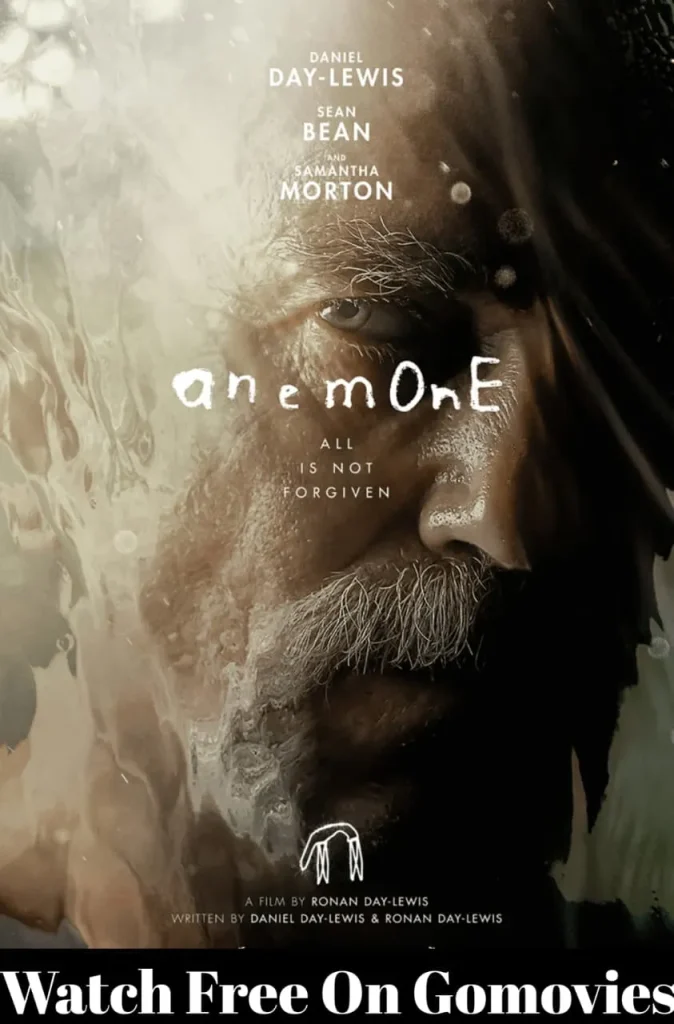
The play Anemone (2025) is a very emotional drama that explores the complex father-son-brother relationships. Guided with astonishing delicacy, the movie explores the perennial issues of family in which love, guilt,, and unspoken truths interact to create fragile bonds. With a glorious cast that includes Daniel Day-Lewis, Samantha Morton, and Sean Bean, Anemone is a reflection of the legacy, forgiveness, and time. The film is produced by Focus Features and Plan B Entertainment, and it takes humanity in its purest and most beautiful state. Currently available on GoMovies, this philosophical masterpiece is one that makes the viewer start thinking about his/her own relationships and the family ties echoing them.
| Aspect | Details |
|---|---|
| Title | Anemone |
| Director | Ronan Day-Lewis |
| Writers | Daniel Day-Lewis, Ronan Day-Lewis |
| Producers | Dede Gardner, Jeremy Kleiner, Jeremy Campbell |
| Cast | Daniel Day-Lewis, Sean Bean, Samantha Morton, Samuel Bottomley, Safia Oakley-Green |
| Music | Bobby Krlic |
| Genre | Psychological Drama, Family, Thriller |
| Runtime | 126 minutes |
| Release Date | 3 October 2025 (Limited Theatrical Release) |
| Distributor | Focus Features (U.S.), Universal Pictures (International) |
Plot
The core of Anemone is a multigenerational narrative of the struggles of men who are chained to love, pride and silence. The story is told within changing time, as a father, his two sons,ns and the past pain, which resonates through their lives. Daniel Day-Lewis is playing the role of a father who is full of regrets and whose poor relationship with his sons forms the emotional backbone of the film.
Later on in the movie, the brothers, whose roles are played by Sid Akbar Ali and Samuel Bottomley, grapple with loss, loyalty, and have to come to terms with the decisions of their father. The story is developed in silent encounters and intimate reconciliations,, which disclose the unstable humanity which is beneath the stoic masculinity. Every scene further enriches the emotional appeal, thus turning Anemone into a touching story of bondage and reconciliation.
Performance
Daniel Day-Lewis comes back to the screen with a successful performance that is terrifying and yet very human. The way he describes a man who is facing his past and his family, which he did not understand, is hypnotizing with its restraint and naturalness. Samantha Morton plays a multi-dimensional role as the ethical guide of the family, making the movie understated and strong at the same time.
Sean Bean is a kind of emotional touch with an uncle who intergenerationalizes with experience of suffering. The younger cast actors (Sid Akbar Ali and Samuel Bottomley) make their characters vulnerable and brimming with raw intensity so that the emotive quality of the movie is never undermined. The ensemble as a whole forms a symphony of performances which make Anemone something eternal and mighty.
Direction and Screenplay
The stasis of the direction of Anemone is perfect, and emotion is boiled under the surface instead of exploding into melodrama. The filmmaker employs silence and minor gestures to capture the emotional separation between the family members and turn banal scenes into some revelations. The frames are purposeful, supporting the key motifs of love, recollection, and reconciliation.
Poetically impregnated screenplay reflects the tone of the reality in a conversation, in which what is not said may be the most. There are minimal dialogues which are strong, and the dialogues have been written in a manner that will be remembered long after the credits have been displayed. The slow movement of the scenes gives the viewer enough time to understand the suffering and subsequent redemption of the characters, making it a very engaging experience to watch.
Music
The music of Anemone is a kind of a companion of its emotional process. The score, which is written in very few instruments, adds to the introspective aspect of the film, and does not overwhelm it. Piano and string themes are reverberated and they represent the delicate strands of thread between generations.
In the scenes of reconciliation, music fills, whereas when the characters are emotionally isolated, it dies out. This skill to juxtapose sadness and optimism by the composer makes the movie have a subtle elegance. The notes are almost as though they are the continuation of inner world of the characters and the visual narration is in complete harmony with them.
Theme
Anemone deals with the issues of legacy, reconciliation and cyclicality of family conflict. It is a mirror of how the tendencies of love and neglect reverberate down the generations, creating the emotional geography of sons who become fathers. The movie poses some great questions on forgiveness as to whether one can really overcome the past or simply learn to co-exist with it.
It also reflects on the masculinity in a gentle way, breaking the idea of vulnerability being weak. The name, Anemone, represents the beauty and delicacy- a reflection of the emotional reality the movie reveals. Its most basic interpretation is that it is a tale of healing a slow, blemished, human one.
Cinematography and Visuals
Anemone has a stunning cinematography, which is painterly in nature and contributes to the emotional resonance of the narrative. The tone of the film of quiet sorrow and introspection is echoed in the soft natural lighting and the subdued color palettes. Each frame is well framed with the tensions of intimacy and isolation that characterize relationships between the characters.
The visual symbolism, rain-covered windows, dark corridors, wilting photographs are the emotional periodization of the story. The beauty and the desolation reflect the inner struggle of the characters, the conflicts between the urban ruins and the countryside of England. This reflective visual art makes the movie a poem of senses.
Cast and Characters Analysis
The father played by Daniel Day-Lewis is a masterclass of emotion control, and revelation of regret and love through a glance and an unspoken word. The film has a touch of gravity and cannot be overlooked because of his presence. The character of Samantha Morton, in its turn, is a person, who is quiet and strong, and could be called the emotional support of the family.
The performance of Sean Bean brings the soulful warmth and provides insights into forgiveness and time. The brothers, whose role is played by Sid Akbar Ali and Samuel Bottomley, are the reflections of the younger version of the father- both of them struggle with their fatherhood in their own manner. These performances put together a portrait of a family that is very textured.
My Watching Experience
Anemone was a very emotional experience to watch. The slow pace of the film attracts you and lets you experience the pain of each silence and the profundity of every relationship. The dominant role portrayed by Daniel Day-Lewis made me remember why he is one of the greatest actors of our time.
The sincerity and emotional accuracy of the story gave it a very personal touch such that it seemed like a journal entry of a family. Cinematography and score also provided an element of melancholy and beauty, thus leaving the moments that persisted even after the credits were removed. The HD streaming on GoMovies revealed all the details of this masterpiece of the cinema in the most breathtaking clarity.
Conclusion
Anemone is a movie that is a rare cinematic pearl and tells the story of human connection in terms of family. The movie portrays the gist of love, loss, and forgiveness with exceptional performances by Daniel Day-Lewis, Samantha Morton and Sean Bean and an exceptionally subtle direction.
It is not merely a drama, it is an experience that would make one think and be emotionally truthful. With its visually poetic images and its melancholic music, Anemone also makes us remember that even fractured relationships can blossom. Anemone is a movie that must be seen on GoMovies in HD by those who enjoy a character-driven intimate storytelling.