
The Nun
The Nun plunges into the most gloomy and snowy depths of the Conjuring Universe and dwells on the origin of Valak-the demonic entity on gomovies that haunted the Warrens throughout their lives. The movie is based in Romania in the year 1952 and it is a chilling thriller investigation into the mysterious suicide of a young nun. The remote monastery, shrouded in fog and ancient mysteries, is the place of conflict between religion and a vastly older evil than mankind.
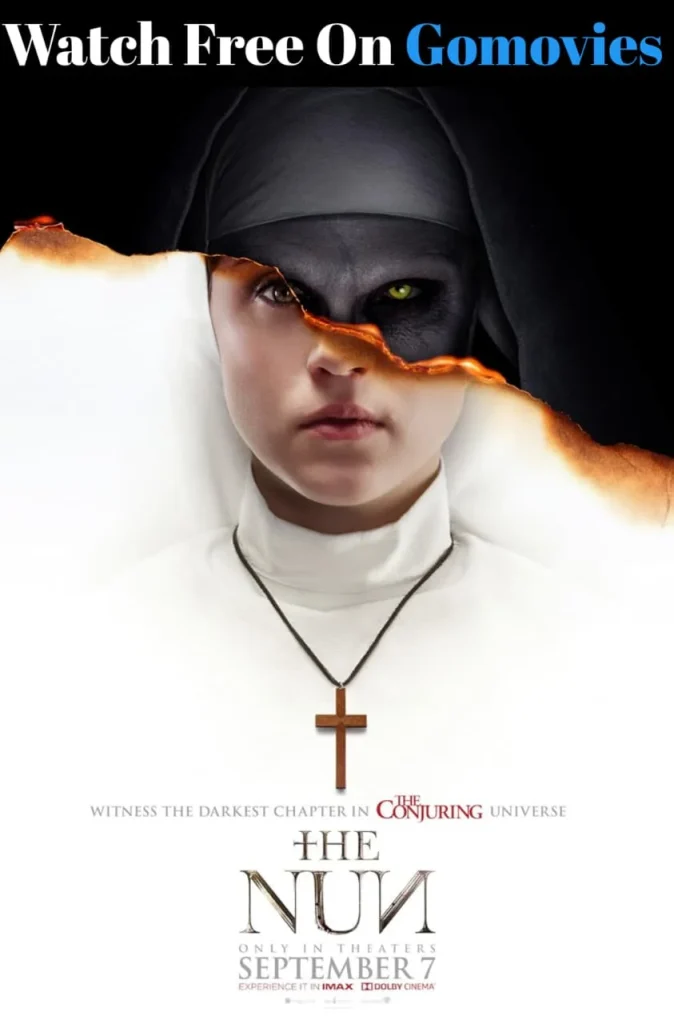
The film adopts a gothic and medieval theme not found anywhere in the franchise. The Nun does not scare, it chokes the viewer with fear, through silence, shadows, and spiritual horror it creates tension that does not ease. The abbey comes to life of its own–breathing, murmuring, observing. With the revelation of the truth behind Valak awakening, the movie turns into a chilling experience of religious imagery, damned past and uncontrollable evil.
| Aspect | Details |
|---|---|
| Title | The Nun |
| Director | Corin Hardy |
| Producers | Peter Safran, James Wan |
| Production House | New Line Cinema, Atomic Monster, The Safran Company |
| Director in Chief / Starring | Jonas Bloquet, Taissa Farmiga, Demian Bichir |
| Cinematography | Maxime Alexandre |
| Composer / Music Director | Abel Korzeniowski |
| Editor | Michel Aller |
| Art Director | Jennifer Spence |
| Stunts | Rob de Groot & Team |
| Release Date | September 7, 2018 |
Plot
It starts with a young nun, Sister Victoria, who killed herself in a Romanian monastery, the act that caused panic among the priests. In order to explore, the Vatican despatches Father Burke, an old priest who is scarred by the previous exorcism, and Sister Irene, a novice with enigmatic visions. They are accompanied by a local villager called Frenchie into the old abbey, only to discover that there is something unholy within its walls and is in a frenzied attempt of breaking loose.
The three characters are attending to the catacombs of the monastery and they come across horrifying visions associated with Valak, the spirit of blasphemy. The darker it is, each night, with its evil whispers and illusions which are meant to poison their religion. The reality comes out the abbey is on a door to hell and Valak wants to escape into the world. Their quest turns into a struggle between being faithful and being demonically controlled which culminates in a bloody and memorable battle.
Performance
Taissa Farmiga is light but strong in her role as Sister Irene, she embodies the naivete and spiritual delicacy needed to take such a frightening journey. Her personality turns out to be the emotional focus of the movie, which brings lightness in the darkness of the world. The nuanced expressions of Farmiga are full of fear and inner strength, and she deserves being the main character in the growing Conjuring legend.
Demian Bichir makes Father Burke deep and emotional. His character combines the powers of the priest with the sense of unresolved guilt, creating a character who is plagued by failure in the past. Frenchie by Jonas Bloquet adds some humor and humanity to the story and breaks the serious topics with breaks. The combination of their performances provides the story with a down-to-earth core, which makes the supernatural horror more powerful and intimate.
Direction and Screenplay
Corin Hardy is a director with a profound appreciation of gothic horror in The Nun. His style is more about the mood rather than the jump scares, which lets him create tension by using fog-filled landscapes and candle-lit corridors. The religious iconography used by Hardy adds to the impression of the antique evil, and the monastery seems like a crumbling citadel that is being crushed by its secrets. His visual accuracy makes the whole experience haunting.
The Gary Dauberman screenplay develops the Conjuring Universe by delving into the background of Valak, and it does not decrease the emotional impact. The novel is a mixture of mystery, faith, and historical mythology, which displays how the demons use human weakness. The dialogue provides a clue to the fears of the characters, but gradually reveals the secrets of the past of the abbey. The script passes through the layers of symbolism, and finally, the ultimate result is a horrendous conflict between the divine faith and the demonic power.
Music
The score by Abel Korzeniowski is filled with spiritual fear and it relies on deep choirs, church organs, and disturbing strings to create an atmosphere of suffocation of the sound. The music is a combination of religious musical notes with dark demonic undertones which depict the presence of Valak. Every musical indication is like a threat of something unknown, which enhances the idea that the characters are being followed by evil in every move.
The music becomes louder as the plot spirals into supernatural anarchy. Korzeniowski employs slow and increasing tones to build the effect of the unstopping pressure, which makes the audience physically experience the burden of fear. The score bursts into explosive and ritualistic chords when Valak is confronted, the power of the demon. The music is made an independent entity it haunts, overwhelms, and is memorable.
Theme
The Nun is a movie devoted to the eternal conflict between religion and darkness. The experience of Sister Irene can be taken as the symbol of the power of belief to withstand pure evil. The movie leaves doubt regarding the spiritual intent, fate and the invisible powers which make human life. The demon Valak is a symbol of corruption trying to undermine faith and the will of the characters is an illustration of the strength of inner power in times of extreme danger.
There is also the theme of isolation. The monastery is so remote that the characters are remote in terms of their emotional safety. This solitude increases fear implying that in the darkest parts of the world, evil can thrive without any restrictions. The consequences of repressed history are also a theme in the story-the secrets that have been buried centuries ago come back with bloody retaliation. These themes are used in The Nun to add a spiritual depth to the Conjuring Universe.
Conclusion
The Nun is a daring, airy continuation of the Conjuring franchise, which delves into the origins of one of its most frightening villains. The film is a chilling experience that creeps under the skin with its gothic visual effect, chilling performances, and spiritual intensity. The combination of direction by Corin Hardy and the score by Korzeniowski contribute to the creation of the world of the creepy silence, the shadows, and a feeling of spiritual warfare.
Directly into the overall Conjuring mythology, the film connects straight into the larger story as the confrontation of the story is revealed, how the presence of Valak finally comes around to the Warrens. The Nun is a chilling origin story that is emotionally rich and full of unjustified supernatural horror. Its mood, its symbolism and memorable imagery allow it to be considered one of the foundations of the horror genre in modern times–its effects are felt by the audience long after the final prayer has turned into darkness.