
The Shawshank Redemption
The Shawshank Redemption is one of the best movies ever made in the history of the film industry, a movie that speaks hope even in the coldness of desperation. Guided by an amazingly sensitive director Frank Darabont, this masterpiece turns a prison drama into a journey of survival, friendship and the indestructible human soul. The silence of its power is not screaming, it increases in power with every image, making an impression that lingers long after the last frame has disappeared.
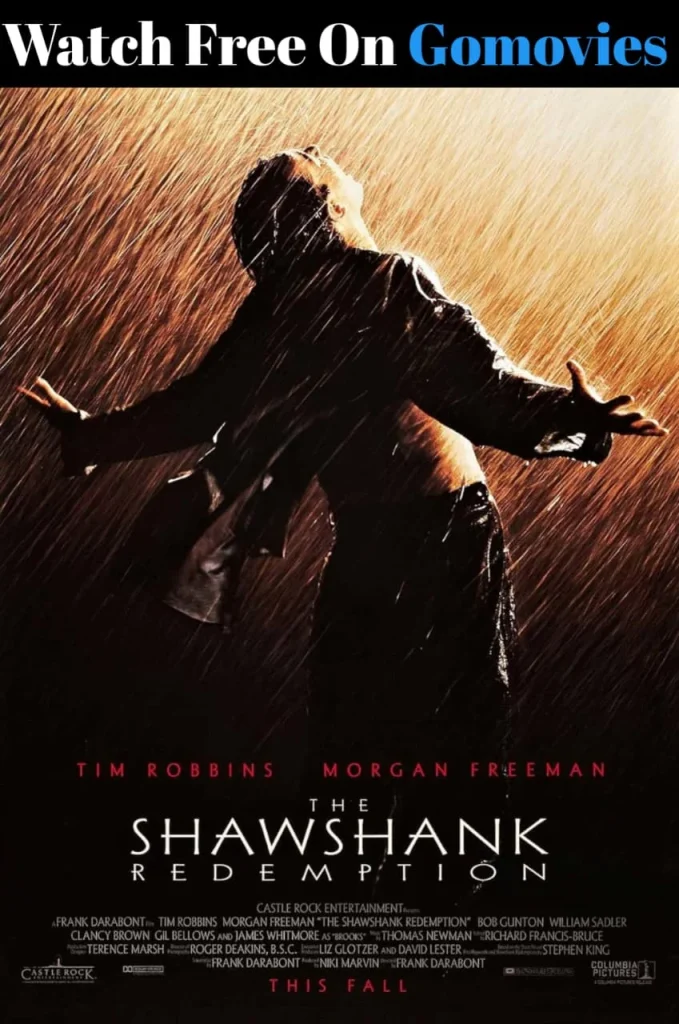
According to the novella written by Stephen King, the film is an emotional story but with profound philosophical contemplation. It discusses the way hope is a life raft even in the most restrictive of situations. The movie transforms a movie about confinement into a great celebration of perseverance with memorable performances and classic plot. It is not merely a movie, it is a journey that changes our perceptions of freedom, loyalty and redemption.
Plot
It is a story of Andy Dufresne, a quiet and smart banker who was mistakenly convicted of murdering his wife and her lover. Andy is sentenced to two life terms in Shawshank State Penitentiary where the prison is dominated by routine, corruption and cold despair. In spite of the oppressive atmosphere, Andy is quite silent but resilient and hangs on to his own inner resources as he adjusts to the harsh conditions of prison life and its ruthless pecking order.
With the course of time, Andy befriends an uncommon inmate called Ellis “Red” Redding, who is a prisoner who has gained access to rare items in the outside world. The relationship turns out to be the core of the tale, a relationship that is formed based on trust, dignity, and respect.
Performances
Tim Robbins gives an amazing portrayal, and he manages to show the unspoken strength and the depth of emotions of Andy in a very subtle manner. And his composed exterior conceals a storm of pain, endurance, and optimism within. Robbins does not portray Andy as a stereotypical hero, he is a man who does not want to give up his identity. His metamorphosis into a broken new-comer to a representative of hope is described with great grace and power.
The role of Red played by Morgan Freeman is also memorable and full of warmth, wisdom, and a voice that directs the emotional beat of the narrative. Not only does his narration give the poem exposition but also soul, transforming mundane moments into poetry. The film has a heartbeat because of how Freeman depicts the ever-changing faith of Red in hope. Robbins and Freeman build one of the most iconic on-screen friendships in the history of movies, imbued with all the honesty and emotional honesty.
Direction & Screenplay
The direction of Frank Darabont is very emotional, and he manages to balance the gloominess of Shawshank with the moments of amazing humanity. He lets the story breathe and creates scenes that are lingering, allowing the viewer to take in every detail.. This treatment of the story by Darabont is respectful of the depth involved in the story and each arc has a lot of depth.
The screenplay is a well-planned story that reflects the spirit of the work done by King. Its words are plain and strong and the truth in each word. The script brings out how a revolution of hope can be ignited by a few sparks through well-constructed scenes. The rhythm is slow, yet intentional, just as it is in Shawshank.The cessation of that feels not only natural but also unbelievably successful.
Cinematography and Visual Style.
The cinematography of the film by Roger Deakins is a visual poetry that makes the film legendary. His application of shadows, light, and space makes the life in prison a movie canvas painted with emotional coloring. The grey walls at Shawshank are claustrophobic, and even shots of freedom such as Andy standing in the rain after he escapes are mind-blowingly beautiful. Deakins sees the opposition between the prison and freedom with impressive vividness.
The framing tends to put characters in seclusion in the prison structure, which represents their emotional and physical confinement. The camera movements are subtle but emphasize the psychological intensity of every moment. The color scheme is subdued, which supports the stifling atmosphere, but breaks out in warmth where there is a glimmer of hope. Deakins transforms even the simplest shots into iconic images, which is indicative of the motif of rebirth, perseverance, and quiet resistance.
Music
The score by Thomas Newman is the soul of the movie as it adds emotion to each scene with subtle and haunting tunes. His music is the whisper of a prayer within the stone walls of Shawshank, which adds to the lonesomeness, tension, and silent victories. The music itself becomes a companion to the story of Andy, and brings some of his darkest times to new heights. The compositions of Newman have a spiritual heavy burden which enhances the emotional appeal of the film.
The sound design is also important to build the atmosphere of Shawshank. All the echoing footsteps, open gates, and whispers of conversation augment the stress of prison life. The difference between the metallic sound of the prison and the soft orchestra music develops the emotional layers. The sound and silence create tension, disappointment, and expectation, and contribute to the sense of timelessness of the film.
Themes
In its most basic form, The Shawshank Redemption is a hope story, a light which can shine through the darkest of locations. The fact that Andy does not give up is the symbol of the power that hope provides and becomes something stronger than the prison walls that surround Andy. The movie makes people remember that liberty is not merely the physical state but the attitude implemented by faith, bravery, and perseverance. This is a theme that is universal and cuts across time and genre.
Friendship, institutionalization and human need for purpose are also discussed in the movie. The character of Red emphasizes the fact that a life in prison may transform the identity of a man and make the external world look frightening. The influence of Andy makes Red find value, dignity, and potential of the renewal. These themes are united to create a fabric of emotional reality, demonstrating how the bond and the support can restore broken lives.
Conclusion
The Shawshank Redemption is not merely a movie, it is a glorification of hope, friendship and the indomitable spirit of man. Its emotional narrative, memorable performances and its compelling themes make it an experience that cuts across the genres and across the ages. The story of Andy and Red has always been immortal, and it teaches us that, despite the world being created on everyday routine and hopelessness, something like hope will never die.
The final scenes of the film provide a cleansing feeling of liberation and transformation, as a symbol of the triumph of persistence over repression. The escape of Andy, the redemption of Red, and the hope of a new life at Zihuatanejo are the most iconic manifestations of hope that is achieved in movies. The Shawshank Redemption is an all-time classic – a lesson on how, when given hope, the human heart will never be defeated.